October 3, 2025


By Paul DeAngelis, Senior Director of Partnership Development
Too often, the push for higher college enrollment gets framed as a numbers game based on how many students fill out applications, sit for entrance exams, or declare a campus their next stop.

But the heart of the work isn’t just about headcounts; it’s about building a culture where every student, regardless of their background or circumstance, is empowered to see college as part of their story.
True college-going cultures do more than open doors; they make sure no one is left standing on the threshold, unsure or uninvited.
During Michigan College Month, I want to shine a spotlight not just on increasing access, but on making college readiness and success an expectation, an opportunity, and a reality for every young person.
After 31 years in Michigan public education – including my final six as Executive Director of Ann Arbor Public Schools – I know firsthand what it takes to truly open doors for students. Our focus at Ann Arbor was very clear: get more students into advanced courses like AP, IB, CTE, and Dual Credit, and ensure those opportunities were equally accessible to historically underrepresented learners.
This fall, Ann Arbor Public Schools hit a huge milestone: 83% of 11th and 12th graders are enrolled in at least one advanced course. This is up from 64% in 2016, when we launched our partnership with Equal Opportunity Schools to boost enrollment and equity in advanced courses.
This month, Michigan College Access Network (MCAN) has brought together over 285 schools for Michigan College Month, which aims to help every young person prepare for and succeed in postsecondary education.
How did Ann Arbor achieve this success?
Our strategy focused on centering student voices, uncovering barriers, and building the conditions every learner needs to thrive.
- Equal Opportunity Schools’ Student Insight Card gave us the individualized, holistic data we needed to help see and understand each of our students, including their aspirations and post-secondary plans.
- We used our improved understanding of students and how they experience their learning environments to uncover the systemic conditions that created barriers to access.
- We addressed students’ perceived barriers to success – adult encouragement is always the main one cited – connecting each student to the trusted adults they named in their survey, and training educators to be beacons of support
- We turned our attention to fostering cues and conditions of belonging that resulted in environments where all students could thrive.
We also homed in on absenteeism and student (dis)engagement, critical barriers to student success:
- Regular attendance is essential to student learning, yet chronic absenteeism was affecting – and continues to affect – many of the students schools are working hardest to support.
- Addressing this challenge requires looking beyond attendance numbers to gain a fuller understanding of each student – including their aspirations, interests, strengths, and the obstacles they face.
- By focusing on the cues and conditions that foster belonging, schools create
environments where students want to show up, thrive, and build a vision for their future beyond graduation.
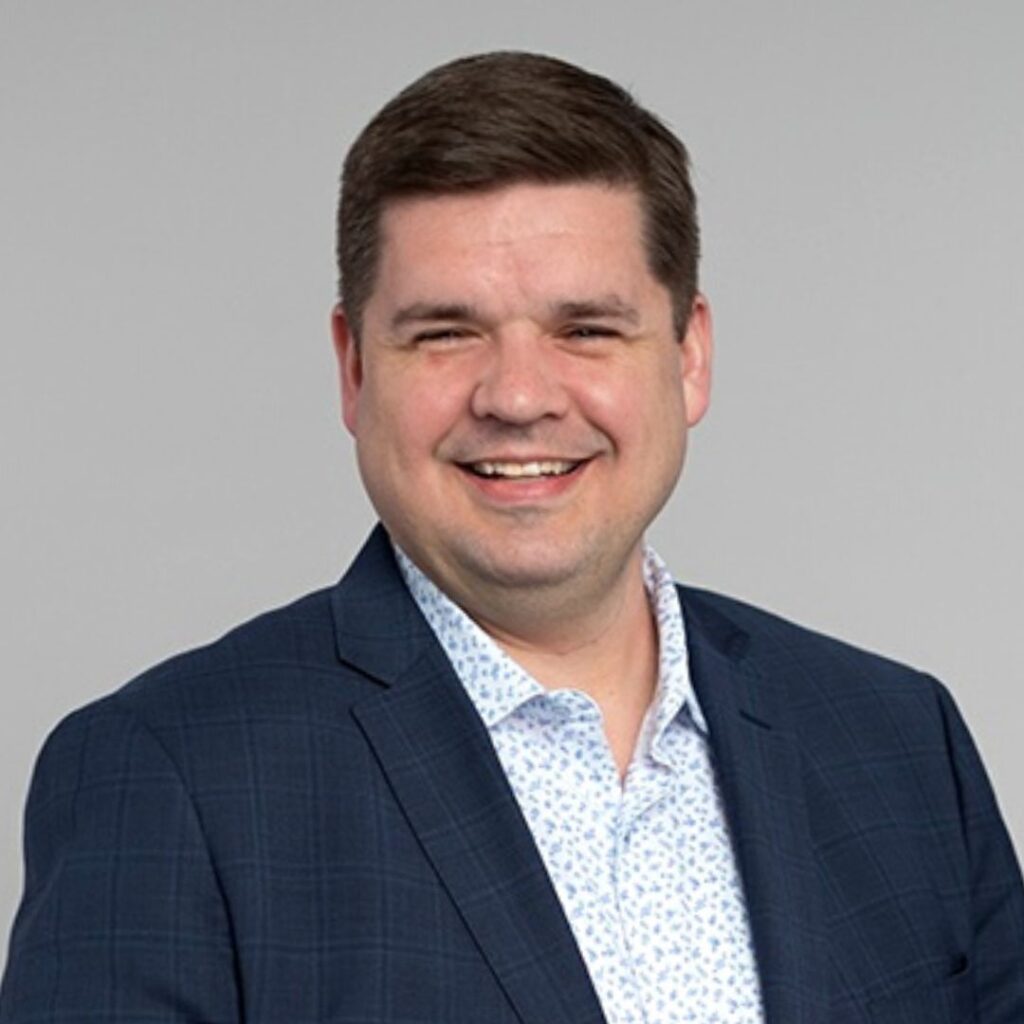
As MCAN’s executive director Ryan Fewins-Bliss recently said: “When we remove barriers and expand access to degrees and certificates, we change individual futures and strengthen Michigan’s economy.” I have witnessed that truth in every classroom, counselor’s office, and school hallway I’ve walked down.
For me, the work is about changing narratives and opening doors for every young Michigander to see themselves as college-bound, career-ready, and capable of succeeding. That’s what building a college-going culture looks like.
The progress we’ve made – exemplified by MCAN’s broad-reaching initiatives and Ann Arbor’s laser focus on advanced course access – is cause for celebration. Yet it’s also a call to keep pushing, especially in communities where students face the toughest odds.
How EOS helps Michigan schools build college-going cultures
Michigan is moving toward the ambitious ‘Sixty by 30’ goal, and the collective work of staff – teachers, counselors, administrators – and partners like EOS is essential. EOS’ Opportunity Gap Analysis and the new EOS Needs Assessment (both free) offer powerful tools for district leaders to help uncover equity gaps and create targeted plans to close them. I believe deeply that these data-driven approaches can dismantle barriers and lift up every student. Reach out to me to get a free assessment today.
Finally, my personal PSA: FAFSA makes its long-awaited return to an October launch date this year, with an increasing FAFSA completion rate that is up 5%. FAFSA completion is a crucial step for students, especially those from low-income families or first-generation backgrounds, to claim the financial aid necessary to make college not just a dream, but a reality.
Other blogs you might be interested in
Going Beyond Numbers: How to Build College-Going Cultures in Michigan Schools
By Paul DeAngelis, Senior Director of Partnership Development Too often, the push for higher college enrollment gets framed as a numbers game based on how many students fill out applications, sit for entrance exams, or declare a campus their next
Learn More
Making Student Surveys More Accessible: EOS + Understood.org
This article is adapted from a recent blog post by our partners at Understood.org. Read their full post here. At EOS, were student survey to reach – and understand – every student in our partner schools. But we identified a
Learn More
Meet EOS’ 2025-26 Opportunity Champions
Last year, EOS launched the Opportunity Champions program to recognize school and district leaders in our network driving transformational change in their advanced academic pathways. Throughout the school year, these leaders drive EOS’ work by breaking down barriers to advanced
Learn More